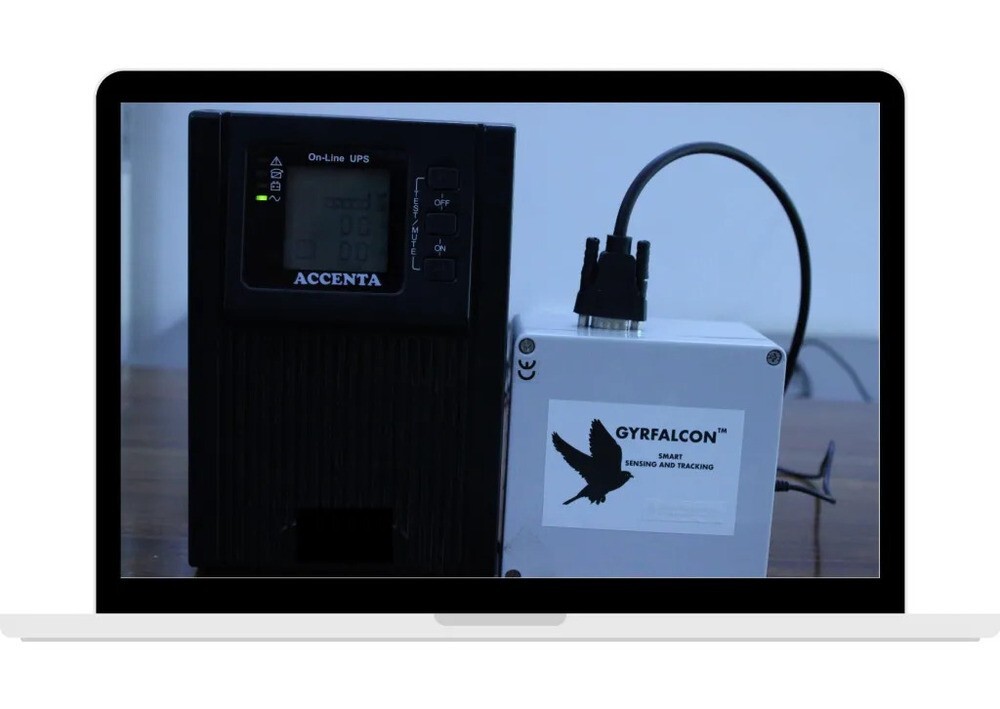
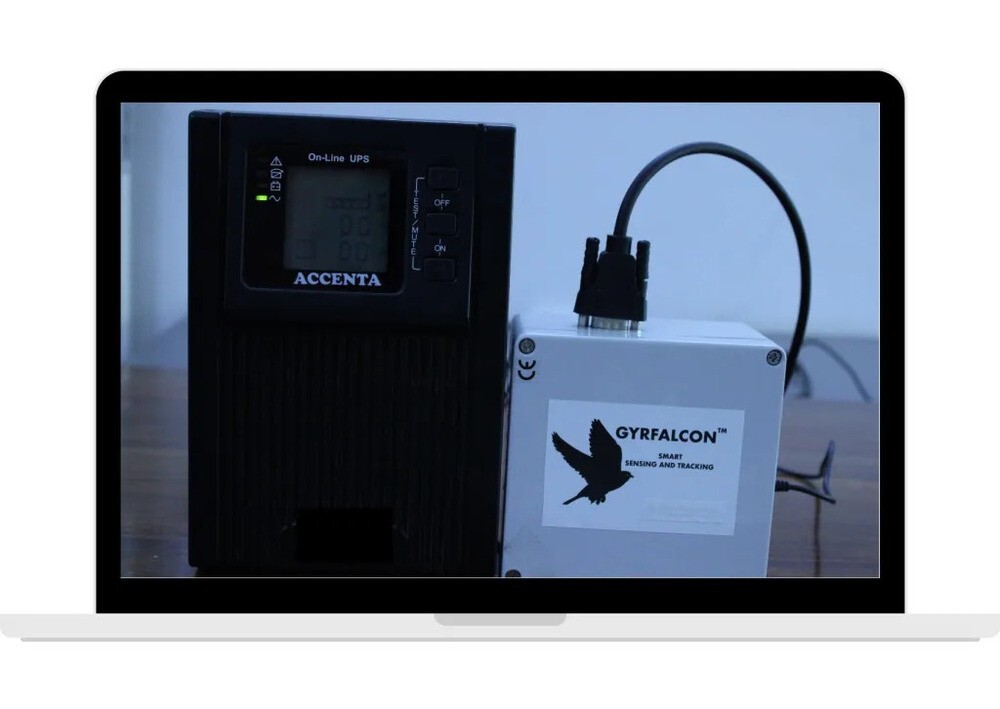
A real-time solution that monitors UPS units for input/output voltage, battery health and state-of-charge, load level, temperature, and remaining runtime. It sends instant alarms (email/SMS/webhook), provides historical logs and basic analytics, and supports remote status checks and predictive maintenance to reduce downtime and extend equipment life.
Advantages of UPS Monitoring System
1. Continuous monitoring of voltage, current, load percentage, battery condition, and power quality
2. Accurate prediction of battery end-of-life using data-driven analytics
3. Alerts for overload, deep discharge, undervoltage, overheating, and charger malfunction
4. Real-time update of backup time estimation to prevent unexpected shutdowns
5. Reduces downtime by early detection of critical UPS issues
6. Extends battery life through optimized charge/discharge analytics
7. Reduces service visits with remote diagnostics and monitoring
8. Simplifies maintenance planning with historical data and trend reports
Applications of UPS Monitoring System Industrial Applications
1. UPS monitoring for manufacturing plants, processing units, and assembly lines
2. Protection of sensitive systems like PLCs, SCADA, CNC machines, sensors, and control systems
3. Monitoring UPS for compressor rooms, automation systems, laboratories, and testing facilities
4. Backup power tracking in logistics hubs, data centers, and industrial warehouses
5. Ensuring smooth operation during voltage variations and load spikes
Commercial & Institutional Applications
1. Hospitals, clinics, ICUs, diagnostic centers requiring uninterrupted clean power
2. UPS for IT offices, banks, ATMs, educational institutions, malls, and retail chains
3. Safeguarding servers, routers, CCTV systems, and networking infrastructure
4. Multi-site branch monitoring for corporates and government buildings
Reliable backup power for hotels, auditoriums, and public buildings
Rural & Remote Area Applications
1. UPS monitoring for rural schools, healthcare centers, Panchayat offices
2. Ensuring power stability for e-governance centers, CSCs, and digital kiosks
3. Backup monitoring in telecom towers, rural ATMs, and microfinance institutions
4. Monitoring hybrid solar UPS units in off-grid or semi-grid villages
5. Dairy chilling centers, rural cold storage, and agricultural pump control rooms
6. Locations with weak or intermittent networks requiring low-bandwidth solutions
FAQ's
1. What parameters does the UPS Monitoring System track?
It monitors input/output voltage, current, load percentage, battery voltage, battery temperature, UPS temperature, backup time, charging status, battery health, and overall system performance.
2. Can it detect battery failure in advance?
Yes. The system uses battery voltage patterns, charge/discharge cycles, and temperature data to predict battery degradation and alert users before failure occurs.
3. Does it work in rural or low-connectivity areas?
Absolutely. It supports GSM/2G, LoRa, and offline data caching, ensuring reliable operation even in remote locations with weak or unstable networks.
4. How does the system alert users about faults?
It sends notifications through SMS, mobile app, WhatsApp alerts (optional), email, and dashboard alerts for issues like overload, high temperature, battery discharge, or UPS malfunction.
5. Can I monitor multiple UPS units across different sites?
Yes. A single cloud dashboard allows centralized monitoring of multiple UPS units, ideal for banks, telecom towers, hospitals, and multi-branch organizations.
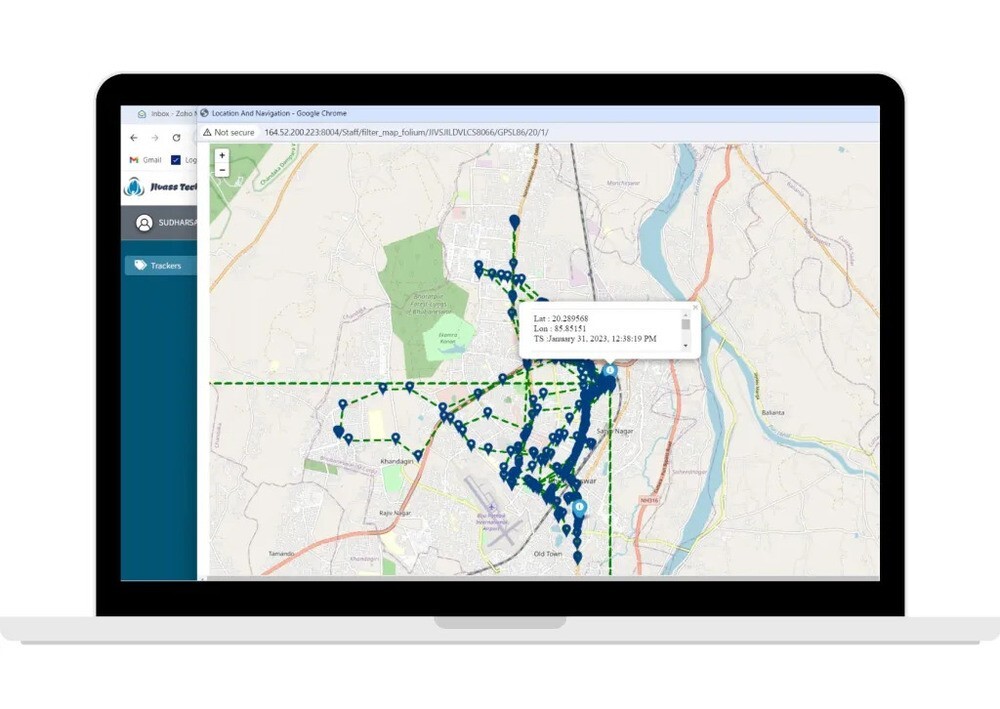
6. Does it provide real-time and historical data?
Yes. Users can view live UPS status in real time and access historical charts, logs, trends, and downloadable reports.
7. Is installation easy?
Yes. The device is compact and designed for quick installation inside UPS panels or externally, without disrupting existing wiring.
8. What happens if the network goes offline?
The device continues recording all parameters locally and automatically syncs the data with the cloud once the network reconnects.
9. Can it reduce UPS and battery maintenance costs?
Yes. By identifying irregularities early, optimizing charging cycles, and predicting failures, the system significantly reduces repair and replacement costs.
10. Who should use the UPS Monitoring System?
It is ideal for industries, banks, ATMs, telecom towers, hospitals, schools, rural centers, data centers, government facilities, retail outlets, and any location requiring reliable power backup.
11. Can it integrate with solar UPS or hybrid systems?
Yes. The system is compatible with solar-hybrid inverters, off-grid UPS, battery banks, and industrial-grade power backup units.
12. Does it support remote access?
Yes. All monitored parameters and alerts can be accessed remotely through a mobile app or web dashboard.
Advantages of Gyrfalcon UPS Monitoring System
Frequently Asked Questions (FAQ) UPS Monitoring System





 Send Inquiry


 Send Inquiry